Ο πάροχος αποθήκευσης αντικειμένων Scality έχει αναπτύξει το ADI (Autonomous Data Infrastructure), μια πλατφόρμα διαχείρισης δεδομένων επιχειρηματικού επιπέδου.κατατάσσει τα δεδομένα σε τέσσερις κατηγορίες απόδοσης:, τα επίπεδα αποθήκευσης με βάση το κόστος και την προστασία.
Η σύγχρονη τοπική αποθήκευση αντικειμένων έχει πλέον ποικίλα φορτία εργασίας τεχνητής νοημοσύνης που υπερβαίνουν την ικανότητα χειροκίνητης διαχείρισης.Η προσωρινή αποθήκευση RAG και KV απαιτεί ξεχωριστή απόδοσηΗ αποθήκευση πρέπει να εξισορροπεί τα όρια ισχύος, την ανθεκτικότητα στον κυβερνοχώρο, την κυριαρχία των δεδομένων και την επεκτασιμότητα χωρίς υπερβολικό κόστος και πολυπλοκότητα.
Ο Διευθύνων Σύμβουλος της Scality Jérôme Lecat δήλωσε: "Η εποχή της τεχνητής νοημοσύνης δεν έχει μόνο αλλάξει τον τρόπο με τον οποίο οι επιχειρήσεις χρησιμοποιούν τα δεδομένα, αλλά έχει εκθέσει πόσο άσχημα είχε σπάσει το παλιό μοντέλο αποθήκευσης.Το Scality ADI είναι ένα νέο λειτουργικό μοντέλο που προσαρμόζει αυτόνομα την απόδοσηΔιατηρεί τις GPU παραγωγικές, πληροί τις απαιτήσεις συμμόρφωσης και διατηρεί τον κυρίαρχο έλεγχο σε κλίμακα exabyte.Δεν αντικαθιστάμε αυτό που δουλεύει.Χτίζουμε αυτό που έρχεται μετά.
Ένας τυπικός πελάτης της Scality μπορεί να τρέξει RING/RING XP on-premise αποθήκευση και ARTESCA αμετάβλητο αντίγραφο ασφαλείας, με υποστήριξη πολλαπλών σύννεφων για AWS, Azure και GCP.πρόσβαση GPU χαμηλής καθυστέρησης για περιβάλλοντα περιορισμένης μνήμης αποθήκευσης, και οικονομικά αποδοτική αρχειοθέτηση σε κασέτες για κρυμμένα δεδομένα, όλα με εγγυημένη ανθεκτικότητα στον κυβερνοχώρο.
Το παλαιό λογισμικό αποθήκευσης αγωνίζεται με τέτοιες ποικίλες απαιτήσεις, αναγκάζοντας κατακερματισμένες αναπτύξεις ή αναποτελεσματική ενιαία μνήμη αποθήκευσης flash.αποθήκευση ενιαίου χώρου ονομάτων, βελτιστοποιώντας τις επιδόσεις, την ανθεκτικότητα, την κυριαρχία και την ενεργειακή απόδοση για τις μεγάλες υποδομές.
Συγκρίνει δυναμικά τα μέσα αποθήκευσης, την προστασία και την απόδοση με τα μεμονωμένα φορτία εργασίας, επιτρέποντας την επεξεργασία με τεχνητή νοημοσύνη, την προστασία δεδομένων και την κλιμακωτή ανάπτυξη χωρίς συμβιβασμούς.
Η ADI διαθέτει τέσσερα επίπεδα αποθήκευσης βάσει πολιτικής:
-
Επίπεδο ακραίων επιδόσεων: Flash TLC με GPU-Direct με S3 μέσω RDMA και <50μs καθυστέρηση·
-
Ζεστό στρώμα: QLC και SSD κοντινής γραμμής επόμενης γενιάς με εύρος ζώνης RDMA πολλαπλών TB/s·
-
Ζεστό επίπεδο: NL-SSD και NL HDD επόμενης γενιάς μέσω RDMA·
-
Ψυχρό στρώμα: Αποθήκευση αρχείων σε κασέτες και δημόσιο cloud.

Η Scality συνιστά βελτιστοποιημένη κατανομή των δεδομένων: 5% στο επίπεδο 1/2, 30% στο θερμό επίπεδο και 65% στο ψυχρό επίπεδο.κόμβοι και φορτία εργασίας για την ευθυγράμμιση των επιδόσεων με τους περιορισμούς του κέντρου δεδομένων.
Η ενσωματωμένη μονάδα Guardian παρέχει επιχειρησιακή νοημοσύνη με βάση την ΤΝ, που καλύπτει την προβλεπτική συντήρηση, την παρακολούθηση της υγείας, τον έλεγχο ισχύος και την ανίχνευση απειλών.Επανισορρόπηση, αναβαθμίσεις και ροές εργασίας του κύκλου ζωής.
Οι χρήστες μπορούν να ενσωματώσουν εξατομικευμένα εργαλεία τεχνητής νοημοσύνης μέσω του MCP για να παρακάμψουν τους περιορισμούς της εγγενούς πλατφόρμας.και το σύστημα εκτελεί συμβατές ροές εργασίας για να μειώσει τα χειροκίνητα φορτία εργασίαςΗ ADI παραμένει ημιαυτόνομη.
Η σουίτα CORE5 της Scality εξασφαλίζει αμετάβλητη, ανακτήσιμη και ελεγκτή από άκρη σε άκρη τα δεδομένα.διαχειριζόμενες συνεισφορές και SLA με βάση τα αποτελέσματα για τη διαθεσιμότητα, απόδοση, προστασία και ενεργειακή απόδοση.
Σχόλιο
Η ADI δεν υποστηρίζει επί του παρόντος το Nvidia STX KV Cache, αλλά αναμένεται μελλοντική ολοκλήρωση.
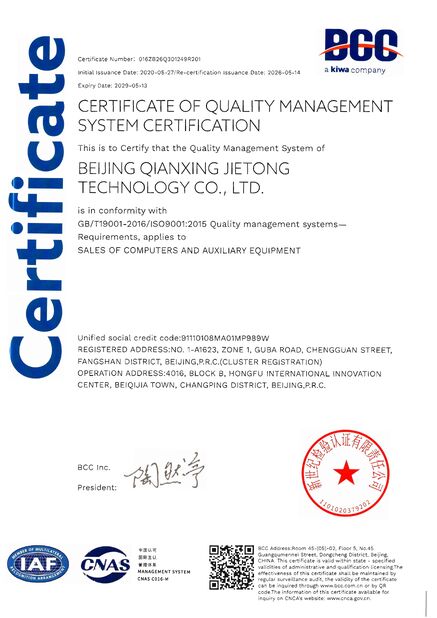
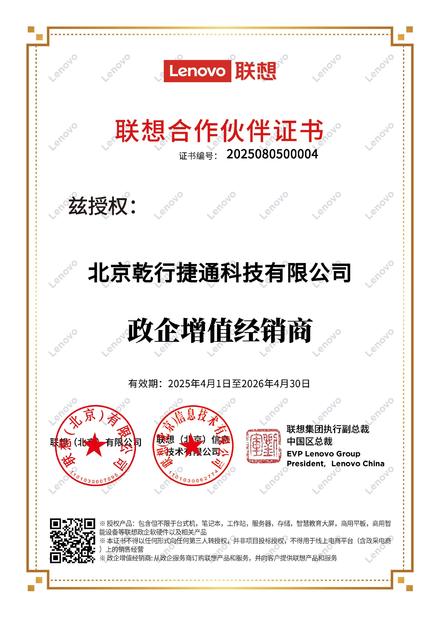
Πεκίνο Qianxing Jietong Technology Co., Ltd.
Σάντι Γιανγκ, Διευθυντής Παγκόσμιας Στρατηγικής
WhatsApp / WeChat: +86 13426366826
Ηλεκτρονικό μήνυμα: yangyd@qianxingdata.com
Ιστοσελίδα: www.qianxingdata.com/www.storagesserver.com
Επικεντρώσου στις επιχειρήσεις:
Διανομή προϊόντων ΤΠΕ/Ενσωμάτωση συστημάτων και υπηρεσίες/Λύσεις υποδομής
Με 20+ χρόνια εμπειρίας διανομής πληροφορικής, συνεργαζόμαστε με κορυφαίες παγκόσμιες μάρκες για την παροχή αξιόπιστων προϊόντων και επαγγελματικών υπηρεσιών.
Χρησιμοποιώντας την τεχνολογία για την οικοδόμηση ενός ευφυούς κόσμουΟ αξιόπιστος πάροχος υπηρεσιών προϊόντων ΤΠΕ!


 Το μήνυμά σας πρέπει να αποτελείται από 20-3.000 χαρακτήρες!
 Greek
Greek